
BOH Communication Systems That Actually Work
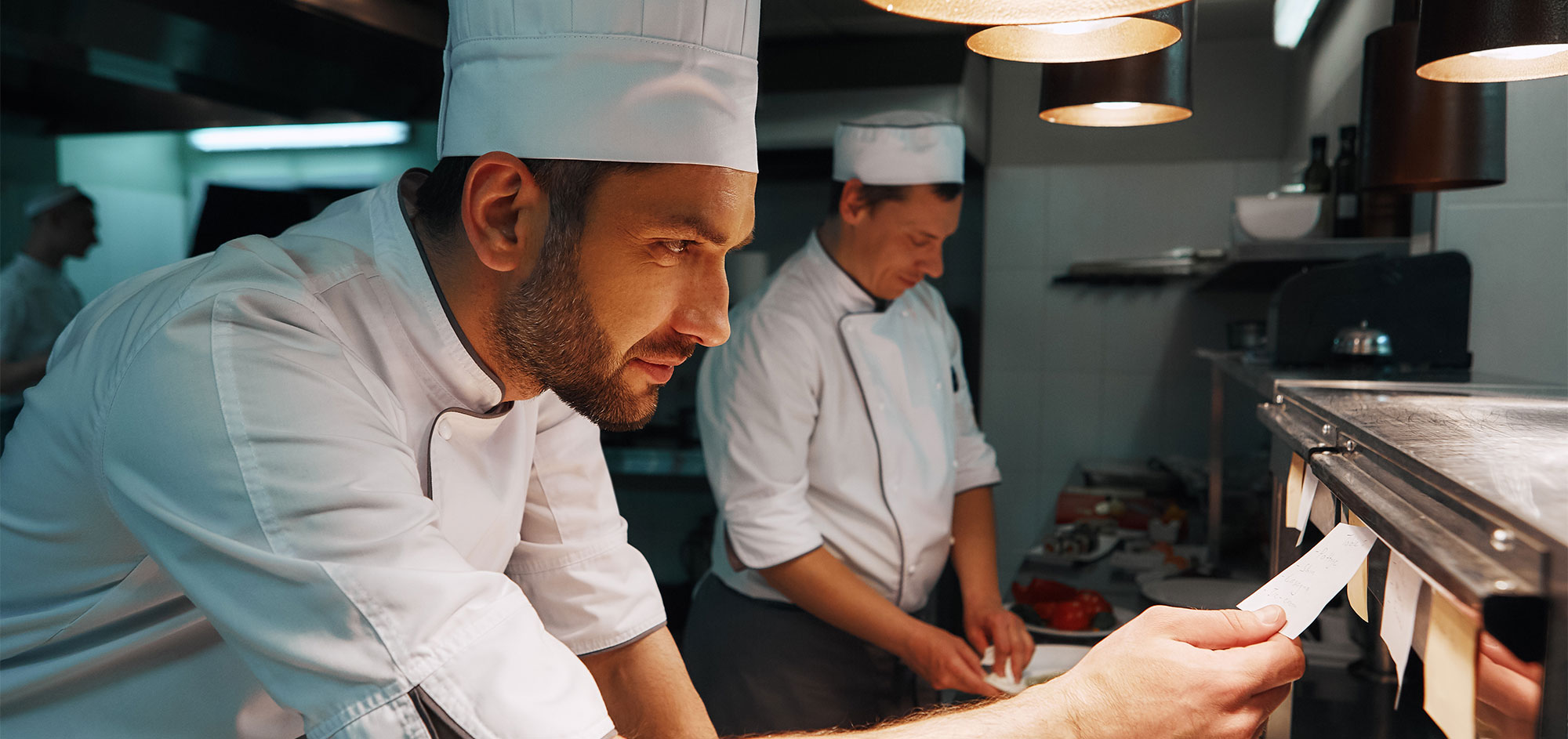
If the front-of-house is the face of your restaurant, the back-of-house (BOH) is the heartbeat. But even the best kitchen team can fall apart without one thing: communication. Missed tickets, duplicated prep, or wasted product often trace back to breakdowns in how teams share information.
The good news? With the right communication systems in place, you can keep your BOH humming along like a well-oiled sauté pan. Here’s how to set up communication methods that actually work.
Start with Clear, Standardized Procedures
Before adding gadgets or apps, make sure your team knows the basics. A clear set of kitchen standards reduces guesswork and creates consistency.
Examples include:
- Standardized ticket times by dish type
- Clear labeling and dating for all prep
- Designated hand signals or phrases for common BOH needs (“behind!” “corner!”)
These simple systems reduce confusion during high-pressure service.
Invest in Effective Kitchen Display Systems (KDS)
Handwritten tickets can get messy—or worse, lost. Digital Kitchen Display Systems (KDS) keep orders organized, track times, and sync directly with your POS. This reduces misfires and gives managers real-time visibility.
Pro tip: Choose a KDS with color coding for order stages (e.g., new, in progress, completed) so everyone knows what’s happening at a glance.
Use Walkie-Talkies or Headsets in Larger Operations
For big kitchens or restaurants with multiple prep areas, headsets or walkies can cut down on wasted time running back and forth. They’re especially useful in concepts with off-site prep kitchens or ghost kitchens.
Just make sure to establish etiquette—nobody wants constant chatter in their ear while trying to plate entrées.
Implement Pre-Shift and Post-Shift Check-Ins
Formal meetings aren’t just for FOH. A quick 5-minute BOH check-in before service ensures everyone knows what’s 86’d, which stations need extra support, and what specials require special prep. Post-shift recaps help capture issues while they’re fresh.
Keep it short, focused, and consistent.
Leverage Digital Communication Tools
Apps like Slack, Jolt, or even shared Google Docs can help teams share updates and keep information centralized. This is especially helpful for multi-unit operators or restaurants with rotating staff schedules.
Examples of use:
- Shared prep lists updated in real time
- Task checklists for cleaning or opening/closing duties
- Shift notes logged for the next team
Train for Active Listening and Respect
No system works without buy-in. Encourage your BOH staff to actively listen, repeat back critical information, and respect each other’s roles. Even the best tech can’t fix an environment where communication is ignored or dismissed.
Pro tip: Incorporate communication training into onboarding—not just technical skills.
Build a Feedback Loop
Communication isn’t just top-down. Encourage your line cooks, dishwashers, and prep team to share their input on systems. They’ll often spot bottlenecks before management does.
Creating an open feedback culture ensures your communication systems evolve with your team’s needs.
Wrapping Things Up
Strong BOH communication doesn’t happen by accident—it’s built through a mix of systems, tools, and culture. From standardized signals to digital displays and team check-ins, each layer helps your kitchen run smoother, faster, and with fewer mistakes.
Because when your kitchen crew communicates well, the whole restaurant wins.