
Designing for Acoustics: How Sound Affects the Dining Experience
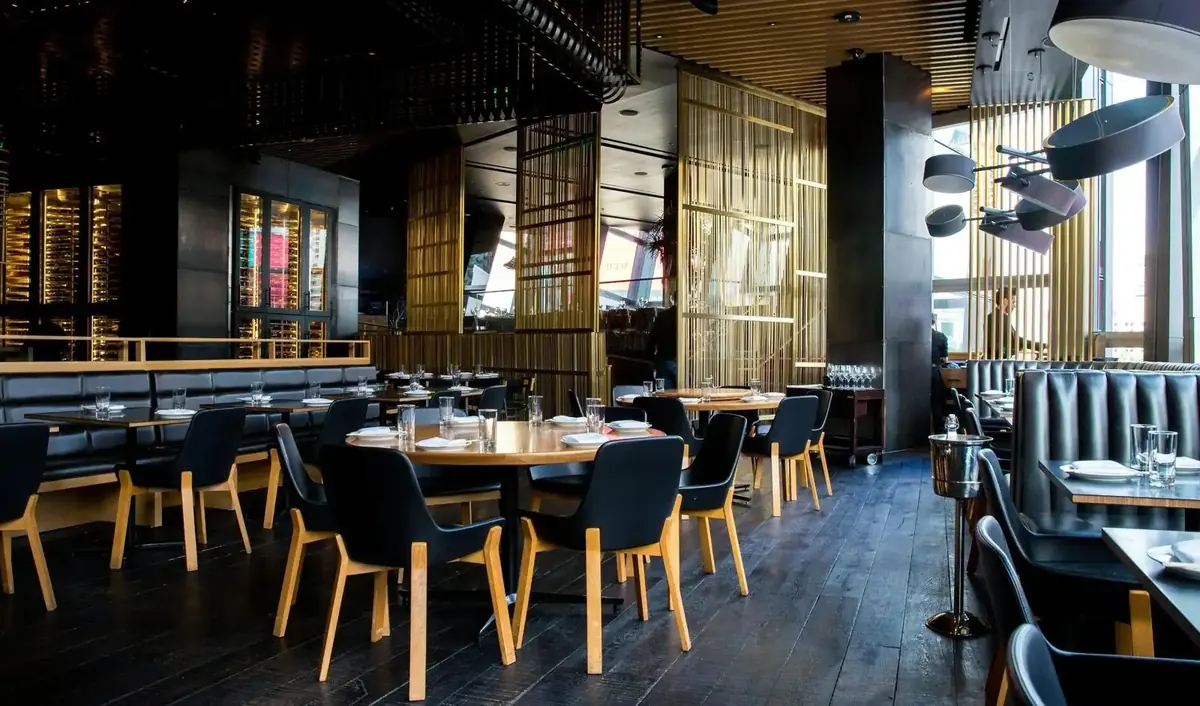
You’ve curated the perfect menu, dialed in your lighting, and trained your team to deliver top-notch service. But if guests can’t hear each other across the table, none of that matters. Welcome to the underrated world of restaurant acoustics—the make-or-break element of your ambiance that far too many operators overlook.
Sound can shape everything from how long people stay to how much they spend. Here’s how to tune into the noise, tame the chaos, and turn your restaurant into a space where conversations—and compliments—flow freely.
Why Acoustics Matter More Than You Think
We’ve all been there: shouting to be heard over the din of a dinner rush or asking a server to repeat the specials three times. Poor acoustics aren’t just annoying—they’re bad for business.
Sound affects the dining experience by:
- Influencing how relaxed or rushed guests feel
- Impacting table turn times and check averages
- Creating accessibility barriers for guests with hearing challenges
- Contributing to staff fatigue and communication breakdowns
The bottom line? If your restaurant is too loud, uncomfortable, or echo-prone, guests won’t just leave—they may not come back.
What Contributes to Restaurant Noise?
Sound builds up in ways you may not even notice until the place is packed. From espresso machines to tile floors, your space could be amplifying chaos without meaning to.
Common sources of restaurant noise:
- Hard surfaces (tile, glass, concrete) that reflect sound
- Open kitchen concepts that add clatter to the dining room
- High ceilings that cause echo and reverb
- Ambient music competing with crowd noise
- Tightly packed tables or bar seating
Understanding where your noise is coming from is the first step to quieting it down.
The Sweet Spot: Balancing Energy and Comfort
It’s not about making your space silent—it’s about control. Some noise creates buzz and energy. Too much creates stress. The goal is a balanced acoustic environment that supports both vibe and conversation.
Ideal noise levels by concept:
- Fast casual: 70–75 dB (think lively but not overwhelming)
- Full service: 60–70 dB (comfortable for conversations)
- Fine dining: 55–65 dB (subtle, intimate atmosphere)
A sound meter app can help you track noise levels throughout different service times.
Simple Fixes to Improve Restaurant Acoustics
You don’t have to tear down walls to create a calmer dining room. Small, strategic changes can go a long way in dampening unwanted sound.
Quick acoustic upgrades:
- Add acoustic panels to walls or ceilings (bonus points if they’re branded art)
- Use fabric curtains, upholstered booths, or cushioned chairs to absorb sound
- Place sound-dampening mats under high-noise equipment
- Install rugs or rubber flooring in high-traffic areas
- Reposition speakers and adjust music volume by zone
The goal isn’t to make your restaurant quieter—it’s to make it pleasantly noisy.
Build Acoustics into Your Design From Day One
If you're opening a new space or doing a major redesign, now’s the time to plan for sound. It’s easier (and cheaper) to integrate acoustic solutions early than retrofit them later.
Design strategies for better acoustics:
- Mix hard and soft materials for a balanced soundscape
- Break up large open spaces with dividers or plant walls
- Vary ceiling heights or add architectural texture to diffuse sound
- Work with an acoustic consultant during the design phase
A quiet space doesn’t have to be boring. Smart design lets you keep the energy—without the echo.
Don’t Forget the Kitchen and FOH Team
Better acoustics don’t just benefit guests—they help your staff too. Reduced noise levels mean fewer misheard orders, less shouting across the line, and less end-of-shift exhaustion.
For your team’s sake:
- Use headsets for expediting or order calls during peak hours
- Keep music volume lower in prep and dish areas
- Place rubber bumpers on drawers and doors to reduce clatter
When your team can hear each other clearly, the whole operation runs smoother.
Wrapping Things Up
Great food brings guests in. Great ambiance keeps them coming back—and sound is a huge part of that equation. Whether you’re building from scratch or just trying to tame the roar of the dinner rush, thoughtful acoustic design will pay off in smoother service, happier guests, and longer stays.
So next time you think about ambiance, don’t just focus on what your guests can see—think about what they hear, too. Your restaurant’s sound should be music to their ears.