
How to Calculate—and Improve—Your Restaurant’s Carbon Footprint
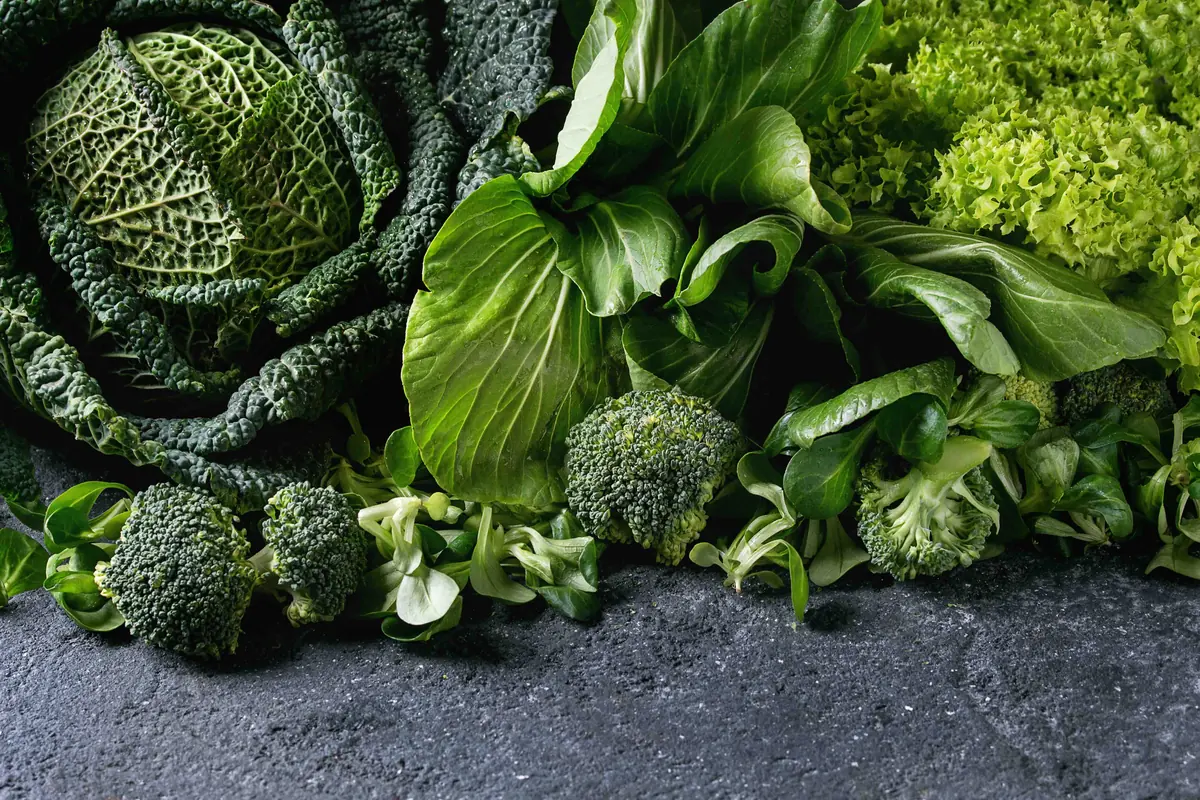
You measure food costs, labor hours, and table turns—but are you tracking your restaurant’s environmental impact? With sustainability top of mind for both diners and operators, knowing your carbon footprint isn’t just eco-friendly—it’s smart business. Reducing your emissions can save money, attract green-minded guests, and future-proof your brand.
Here’s how to calculate your restaurant’s carbon footprint—and more importantly, how to shrink it without sacrificing service or flavor.
What Is a Restaurant’s Carbon Footprint?
Your carbon footprint is the total amount of greenhouse gases—mainly carbon dioxide—your restaurant emits, directly and indirectly. These emissions come from every part of your operation, from food sourcing to fryer oil.
Common sources of restaurant emissions:
- Energy use (electricity, gas for cooking and HVAC)
- Food production and transportation
- Waste (especially food and packaging)
- Water use and heating
- Staff and supplier transportation
Each area offers an opportunity for improvement—and potential cost savings.
How to Calculate Your Carbon Footprint
You don’t need to be a scientist to get started. Several free or low-cost carbon calculators can estimate your impact using basic operational data.
Data to gather:
- Monthly energy and water bills
- Fuel use (cooking gas, generator fuel)
- Food purchasing details (type, source, quantity)
- Waste volume and disposal methods
- Transportation habits (delivery mileage, supplier distances)
Helpful tools:
These tools can give you a baseline—and help you track progress over time.
Focus Areas for Reducing Your Carbon Impact
Once you’ve got your numbers, it’s time to take action. You don’t have to go zero-waste overnight. Start with small, manageable changes that stack up to big impact.
Energy:
- Upgrade to Energy Star appliances
- Switch to LED lighting and motion sensors
- Service HVAC and refrigeration regularly
Food Sourcing:
- Choose local, seasonal ingredients
- Work with suppliers who prioritize sustainability
- Reduce reliance on high-impact items like beef and imported produce
Waste:
- Compost food scraps
- Track waste to identify patterns and reduce over-ordering
- Use digital menus or recycled paper products
Water Use:
- Install low-flow faucets and dish sprayers
- Use ice and mop water wisely (reuse when safe)
- Check for hidden leaks regularly
Engage Your Team and Customers
Carbon reduction works best when it’s a team effort. Your staff plays a huge role in day-to-day practices, and your customers increasingly want to support sustainable businesses.
How to bring everyone on board:
- Train staff on energy-saving routines and food waste tracking
- Celebrate sustainability wins with internal shout-outs or incentives
- Promote your green efforts on menus, signage, and social media
- Offer guests incentives for bringing their own containers or opting out of disposables
When you show your commitment to sustainability, guests are more likely to support—and talk about—you.
Set Goals and Track Progress
Carbon reduction isn’t a one-and-done deal. It’s a long-term effort that improves with monitoring and accountability.
Set SMART goals:
- “Reduce monthly energy usage by 10% in 6 months”
- “Compost 50% of kitchen food waste by year-end”
- “Source 75% of produce locally by next season”
Review performance monthly or quarterly, and tweak efforts as you go. Celebrate milestones and communicate progress with your team and your guests.
Wrapping Things Up
You don’t need to overhaul your entire operation to reduce your restaurant’s carbon footprint. With the right data, a few smart swaps, and a committed team, you can take meaningful steps toward a greener kitchen and a stronger brand.
So grab that meter, crunch the numbers, and start cooking up sustainability—one kilowatt, compost bin, and local delivery at a time.