
Limited Ingredient Menus: Doing More with Less
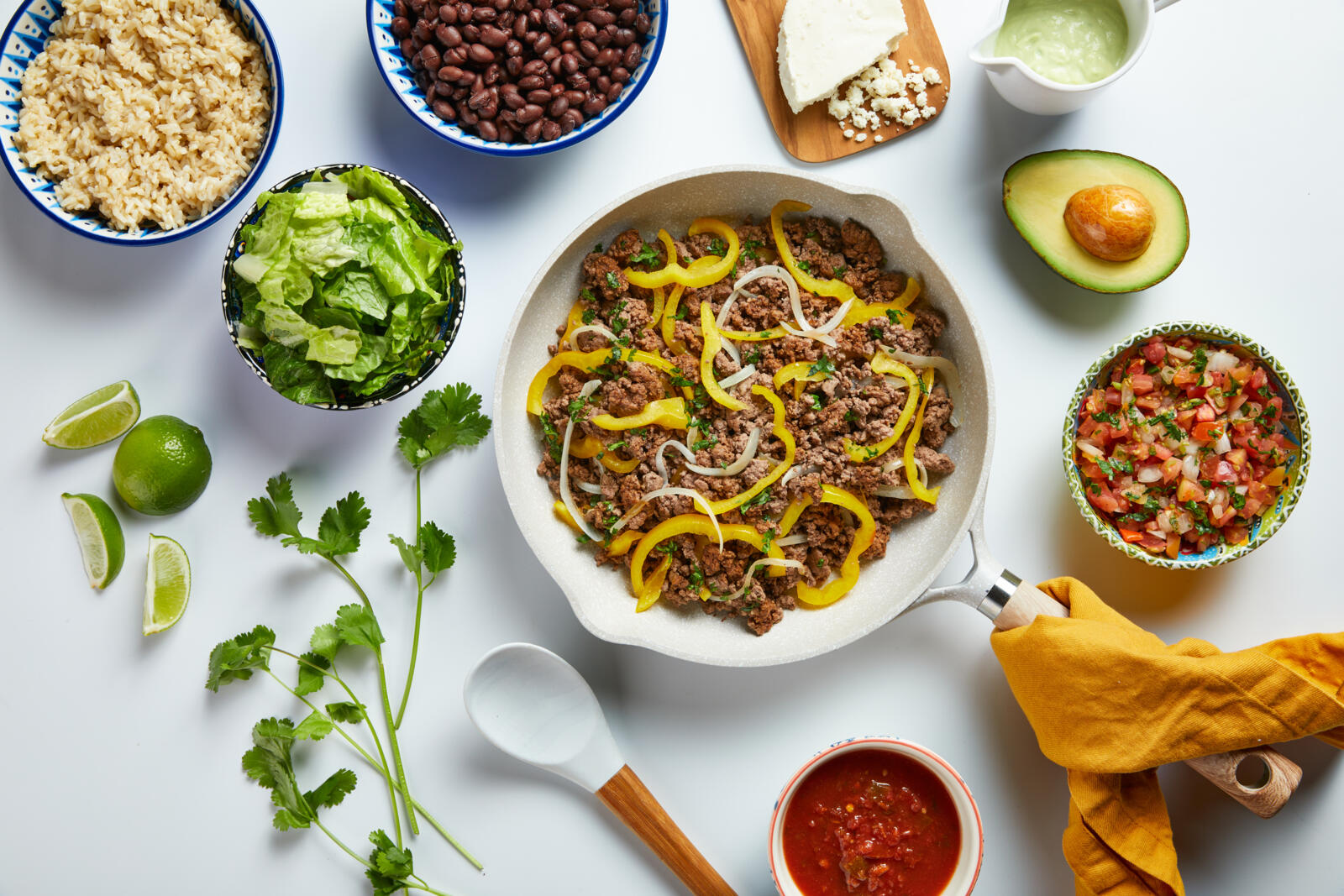
Sometimes less really is more—especially when it comes to your menu. A limited ingredient menu doesn’t mean boring food. In fact, it can inspire creativity, improve efficiency, and boost your bottom line.
Whether you’re running a small bistro, a busy café, or a full-service restaurant looking to streamline, learning to do more with less can be the secret to consistent, high-quality dining experiences.
Why Limited Ingredient Menus Work
A pared-down ingredient list reduces complexity in your kitchen and creates consistency for guests.
Benefits include:
- Lower food costs and reduced waste
- Faster prep and plating times
- Easier inventory tracking and supplier management
- More room for seasonal or special features
By focusing on fewer ingredients, you free up resources to make each dish shine.
Choose Versatile, High-Impact Ingredients
Your ingredient list should pull double—or even triple—duty. The key is versatility.
Examples:
- Proteins: A roasted chicken breast can be served as a main, shredded into tacos, or sliced for salads.
- Produce: Roasted squash can appear in soups, salads, and grain bowls.
- Condiments & Sauces: A signature aioli can accompany fries, dress sandwiches, and add richness to proteins.
Cross-utilization keeps your menu fresh while minimizing waste.
Plan Your Menu Around Seasonal Availability
Seasonal sourcing supports local producers and ensures peak flavor while keeping costs in check. Build your core dishes around ingredients that are abundant and affordable during each season.
Pro tip: Rotate seasonal specials to keep regulars interested without overcomplicating your inventory.
Streamline Without Sacrificing Variety
Limited ingredients don’t have to mean limited choice. Use creative preparation methods—grilling, roasting, pickling, fermenting—to transform the same base items into distinctly different dishes.
Example: A single cut of beef could appear as a seared steak, slow-braised ragù, or thinly sliced carpaccio.
Work Closely with Your Suppliers
A streamlined menu requires reliable sourcing. Partner with suppliers who can consistently deliver your core ingredients—and provide quick substitutions when needed.
Questions to ask suppliers:
- Which products are consistently available year-round?
- What substitutions do you recommend during shortages?
- Can you offer bulk discounts for staple items?
Train Staff for Consistency and Creativity
With a smaller menu, every plate counts. Make sure your kitchen staff is trained to execute each dish flawlessly—and encouraged to brainstorm new applications for your core ingredients.
Servers should also be trained to describe menu items in a way that makes them feel fresh and exciting, even for returning guests.
Wrapping Things Up
A limited ingredient menu can be a game-changer for restaurants looking to reduce costs, simplify operations, and focus on quality. By choosing versatile ingredients, leveraging seasonal products, and training your team to make the most of each component, you can deliver an exceptional dining experience with fewer moving parts.
Less complexity. Less waste. More flavor. That’s a recipe worth repeating.