
Limited Space, Big Flavor: Menu Development for Small Kitchens
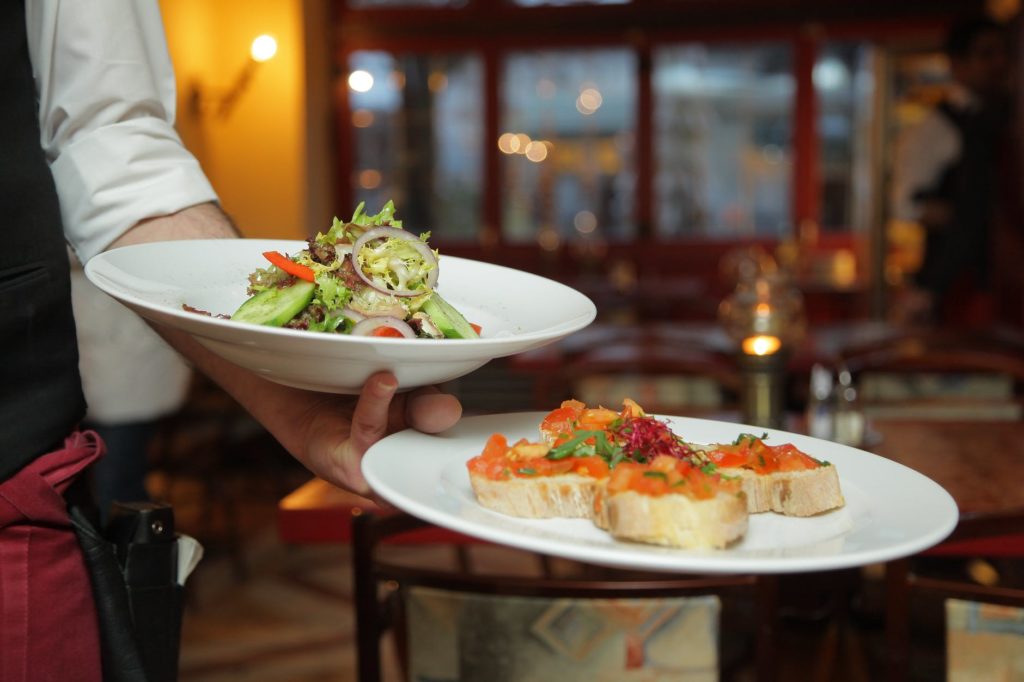
Not every restaurant has the luxury of a sprawling back-of-house—but that doesn’t mean you have to compromise on flavor. Whether you’re running a food truck, ghost kitchen, or charming hole-in-the-wall bistro, your space may be small, but your menu can still pack a serious punch.
Let’s explore smart strategies for building a creative, efficient, and crave-worthy menu that works with what you’ve got—no extra square footage required.
Embrace a Focused Menu
The more dishes you try to squeeze into a tiny kitchen, the harder it is to execute consistently. A small, well-curated menu isn’t just more manageable—it’s more memorable. Diners love a restaurant that knows what it does best.
Tips for focused menu development:
- Limit your core offerings to 6–10 items that showcase your concept
- Design around a central theme, technique, or ingredient category
- Rotate seasonal specials to keep things fresh without adding bulk
Think: fewer moving parts, more flavor-forward dishes.
Cross-Utilize Ingredients
Efficiency starts with smart sourcing. Designing a menu where ingredients appear in multiple dishes helps minimize inventory needs, reduce food waste, and streamline prep.
Example: A roasted garlic aioli can be used for burgers, sandwiches, and fries. A simple braised chicken can become tacos, bowls, or salads depending on the build.
Look for ways to:
- Use base sauces across multiple items
- Rework proteins into different formats
- Leverage pickles, slaws, or garnishes as crossovers
Your mise en place list will thank you.
Choose Equipment-Friendly Recipes
Small kitchens mean less gear and limited cooking zones. Choose recipes that can be made with the tools and space you already have—think griddle, fryer, oven, or even just induction burners.
Tips for planning around equipment:
- Stick to low-complexity, high-yield recipes
- Avoid dishes that require constant monitoring or specialized tools
- Lean into batch-cooked items like soups, stews, or braises
The fewer hands and tools a dish needs, the more efficient your team becomes during a rush.
Build with Speed in Mind
Compact kitchens often mean tighter prep areas and less storage—but also a need for faster turnarounds. Design dishes that can be plated quickly and don’t crowd your expo station.
Key considerations:
- Use pre-portioned or pre-assembled elements when possible
- Minimize finishing steps during service
- Prioritize “one-pan” or “one-tray” dishes
Faster service = better guest experience and less chaos behind the scenes.
Make Presentation Simple but Smart
In tight spaces, less is more when it comes to plating. Choose serving vessels and presentation styles that complement your aesthetic without demanding elaborate assembly or extra dishwashing.
Tips for small-space presentation:
- Use consistent plating templates to reduce decision-making
- Lean into rustic or minimal styles (think bowls, trays, and wraps)
- Invest in multi-purpose plates and trays that work across menu items
Streamlining plating doesn’t mean sacrificing beauty—it just means planning for it.
Stay Agile and Test Often
When space is tight, flexibility is your superpower. Be ready to test and iterate your menu based on what’s working—and what’s slowing you down.
Strategies for agility:
- Start with a soft launch or weekly special board before adding new items full-time
- Solicit feedback from both guests and kitchen crew
- Track prep time, waste, and ticket times for every new dish
A nimble menu is a smart menu—especially when every square foot counts.
Wrapping Things Up
Small kitchens can still produce big flavors—if you plan with purpose. By focusing your menu, cross-utilizing ingredients, choosing recipes that match your setup, and staying agile, you’ll turn your compact space into a well-oiled culinary machine.
Size doesn’t matter when your flavors do. After all, some of the best bites come from the smallest kitchens.