
Maximizing Small Spaces: Smart Design Hacks for Compact Restaurants
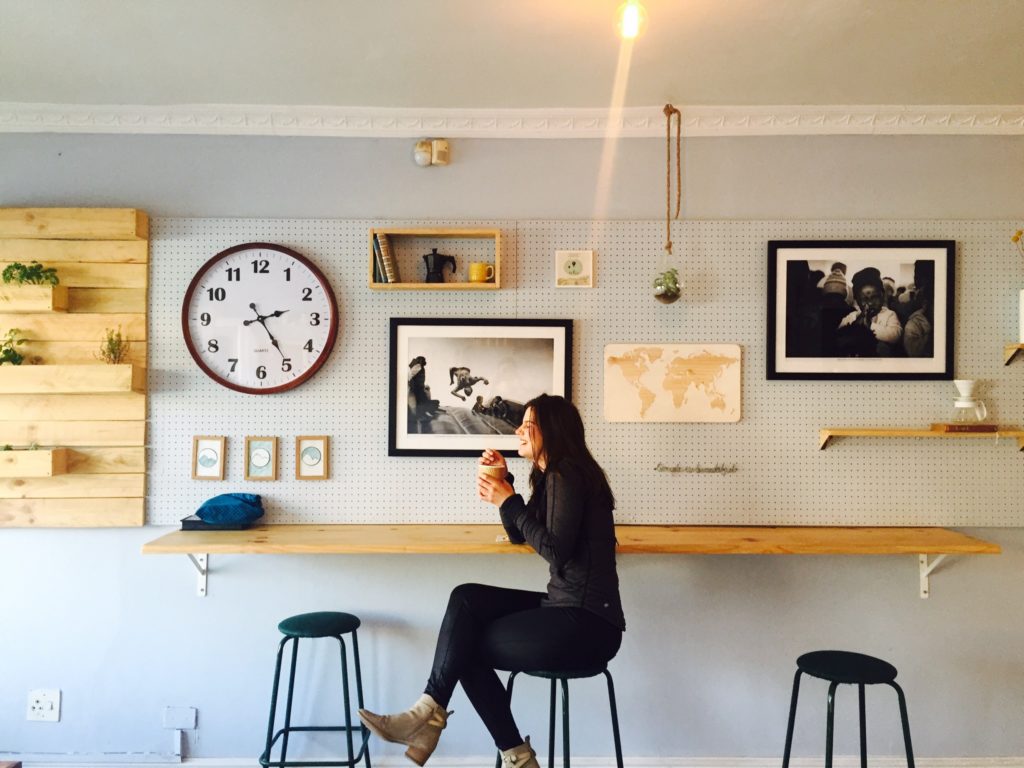
In restaurants, space equals opportunity—and when square footage is tight, every inch has to pull its weight. Whether you’re operating a neighborhood café, urban bistro, or fast-casual concept, a compact footprint doesn’t have to mean compromised service or lower sales.
With smart design choices and a little creativity, small restaurants can feel bigger, operate smoother, and seat more guests than you’d expect. Here’s how to maximize your space without knocking down walls.
Design for Flow First, Not Furniture
Before adding tables or décor, focus on how people move through your space. Poor flow creates bottlenecks that make even large rooms feel cramped.
Optimize flow by:
- Mapping guest and staff pathways during peak hours
- Keeping service stations out of main walkways
- Reducing unnecessary cross-traffic between FOH and BOH
When movement feels effortless, the entire restaurant feels bigger.
Choose Multi-Functional Furniture
In small spaces, furniture should do more than one job. Look for pieces that offer flexibility without sacrificing comfort or style.
Smart furniture solutions include:
- Two-tops that can combine into four- or six-tops
- Banquettes with storage underneath
- Bar-height tables that double as waiting or standing areas
- Stackable or lightweight chairs for easy reconfiguration
Multi-use furniture gives you adaptability without clutter.
Go Vertical with Storage and Design
If you can’t build out, build up. Vertical design elements free up floor space while adding visual interest.
Vertical space hacks:
- Wall-mounted shelving for décor or glassware
- Hanging racks for pots, pans, or plants
- Tall shelving units in BOH for organized storage
Just be sure overhead elements don’t make the space feel crowded or chaotic.
Use Lighting to Create the Illusion of Space
Lighting plays a massive role in how spacious a room feels. Poor lighting can shrink a space instantly.
Lighting strategies that open things up:
- Layer lighting with ambient, task, and accent fixtures
- Use wall sconces instead of bulky floor lamps
- Keep ceilings bright to draw the eye upward
Well-lit spaces feel cleaner, calmer, and more expansive.
Rethink Your Seating Mix
Not all seats generate the same revenue. Small restaurants benefit from a thoughtful mix that balances turnover with comfort.
Consider incorporating:
- Counter seating for solo diners
- Communal tables during peak hours
- Window bars for quick meals or coffee service
A diversified seating strategy helps you accommodate more guests without crowding.
Keep the Color Palette Clean and Cohesive
Too many colors or patterns can overwhelm a compact space. A simple, cohesive palette makes rooms feel larger and more intentional.
Design tips:
- Use lighter tones to reflect light
- Stick to 2–3 core colors throughout the space
- Add texture through materials rather than bold patterns
Consistency creates calm—and calm feels spacious.
Minimize Visual Clutter
Clutter is the enemy of small spaces. The cleaner the visuals, the bigger your restaurant feels.
Ways to reduce clutter:
- Limit signage to essential information
- Store extra supplies out of guest view
- Use hidden storage whenever possible
If something doesn’t serve a purpose or elevate the brand, it probably doesn’t belong on the floor.
Test, Measure, and Adjust
Small-space optimization isn’t one-and-done. Watch how guests and staff interact with the layout and be willing to tweak.
Track:
- Table turn times
- Guest comfort and feedback
- Staff efficiency during peak service
Even minor adjustments—like shifting a table six inches—can make a noticeable difference.
Wrapping Things Up
Running a compact restaurant doesn’t mean thinking small. With smart design choices, flexible furniture, and a focus on flow, you can turn limited square footage into a highly efficient, revenue-driving space.
Because when every inch works harder, your restaurant does too.