
Pairing Food and Drink: How to Design the Perfect Beverage Pairings for Your Menu
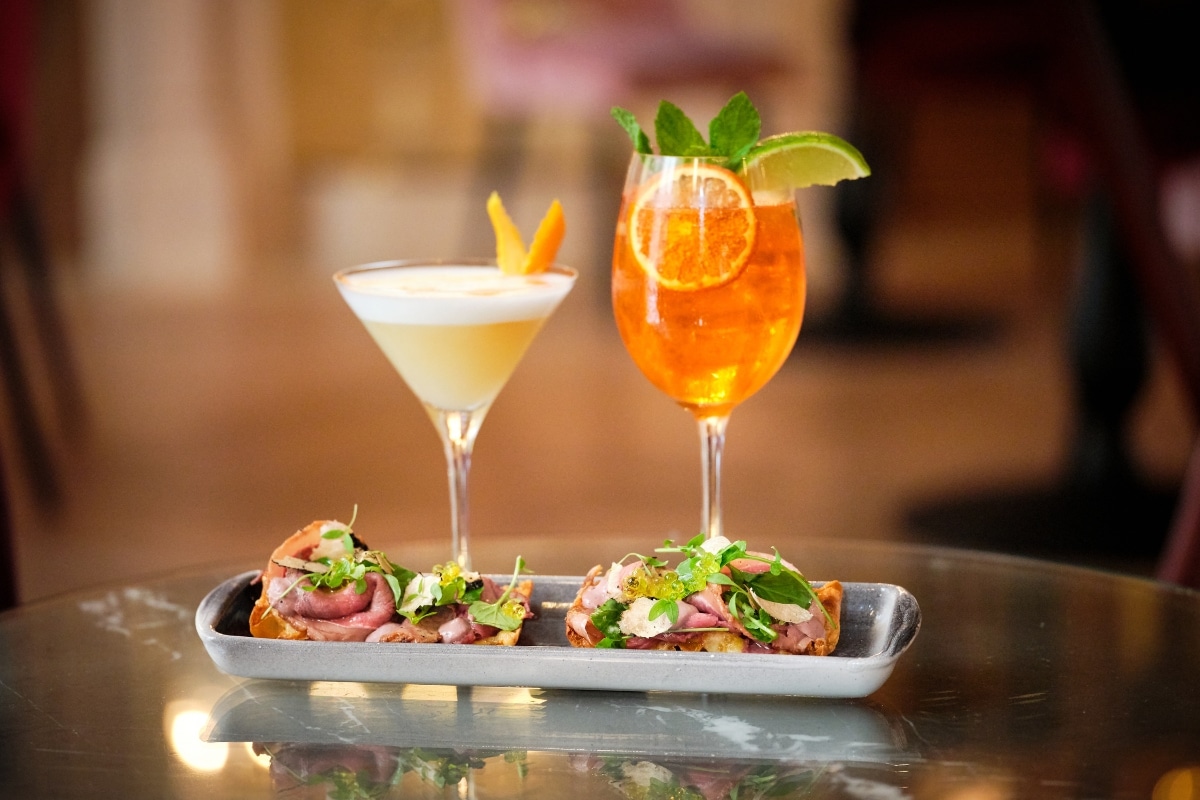
A thoughtfully crafted beverage pairing can transform a meal, enhancing flavors and elevating the dining experience. For restaurants, creating ideal food and drink pairings can lead to higher guest satisfaction, increased check sizes, and a memorable experience that keeps customers coming back. From classic wine pairings to inventive non-alcoholic options, here’s how to design the perfect beverage pairings for your menu.
Start with Flavor Balance and Complementary Profiles
When pairing food and drink, the goal is to find flavors that enhance and complement one another. Consider the primary flavors of each dish—such as savory, spicy, sweet, or acidic—and choose beverages that either balance or contrast these flavors. For example, a rich, fatty steak pairs beautifully with a full-bodied red wine, like Cabernet Sauvignon, as the wine’s tannins cut through the meat’s richness.
Alternatively, pairing spicy dishes with slightly sweet or light beers can balance heat without overwhelming the palate. Think about how the drink’s sweetness, acidity, bitterness, or carbonation can interact with the dish’s flavors to create a harmonious experience.
Design a Wine Pairing Guide
Wine is a classic choice for food pairing due to its variety of flavors, textures, and aromas. A helpful strategy is to create a wine pairing guide based on wine varietals and cuisine types. For instance:
- Light whites (e.g., Sauvignon Blanc, Pinot Grigio): Pair well with seafood, salads, and light appetizers.
- Full-bodied whites (e.g., Chardonnay): Complements rich poultry dishes, creamy pasta, or grilled fish.
- Light reds (e.g., Pinot Noir): Pairs well with pork, lamb, and lighter red meat dishes.
- Full-bodied reds (e.g., Merlot, Cabernet Sauvignon): Ideal for steaks, hearty stews, and barbecue.
Train your staff on these wine pairings to help customers make informed choices. Having a wine pairing suggestion next to each dish on the menu adds value and enhances the dining experience for wine enthusiasts and casual drinkers alike.
Embrace Beer Pairings for a Casual Twist
Beer pairings are increasingly popular, offering a casual and accessible alternative to wine. Craft beers, in particular, provide unique flavor profiles that complement a wide range of dishes. Try pairing lighter, crisp lagers with fried foods or pairing IPAs with spicy dishes, as the bitterness complements bold flavors. Rich stouts and porters pair well with desserts, especially chocolate or caramel-based dishes.
Offering a beer pairing guide on your menu or seasonal beer-pairing specials can introduce guests to new flavors and encourage them to explore different brews with your dishes.
Don’t Forget Non-Alcoholic Pairing Options
With the growing demand for non-alcoholic options, consider creating beverage pairings that appeal to all guests. Mocktails made with fresh ingredients, like herbs, fruits, and spices, can be paired with food in much the same way as cocktails. For example, a tart lemonade with mint complements seafood dishes, while a rosemary-infused iced tea pairs nicely with roasted meats.
Sparkling water with citrus and herbs or non-alcoholic bitters are also great options that add sophistication without alcohol. Offering non-alcoholic pairing suggestions shows inclusivity and appeals to diners who prefer alcohol-free experiences.
Experiment with Seasonal and Local Ingredients
Using seasonal ingredients in your beverages, like local fruits and herbs, not only adds fresh flavors but also aligns with your menu’s seasonality. For instance, in the fall, try pairing roasted root vegetable dishes with drinks that have warming spices like cinnamon or nutmeg. In summer, use local berries and fresh herbs for cocktails and mocktails that pair beautifully with salads and lighter fare.
Emphasizing local and seasonal ingredients in your beverage program supports local farmers and enhances the flavors of your dishes by pairing with drinks that reflect the season.
Wrapping Things Up
Creating a well-curated beverage pairing program doesn’t just elevate the dining experience; it also encourages customers to explore new flavors, increases order value, and sets your restaurant apart. By focusing on flavor balance, offering a variety of pairing options, and training staff to recommend pairings confidently, you can design a memorable menu that appeals to a wide range of palates. Pairing food and drink thoughtfully brings out the best in both, turning each meal into a complete, satisfying experience.