
Secrets to Building a High-Performing Kitchen Crew
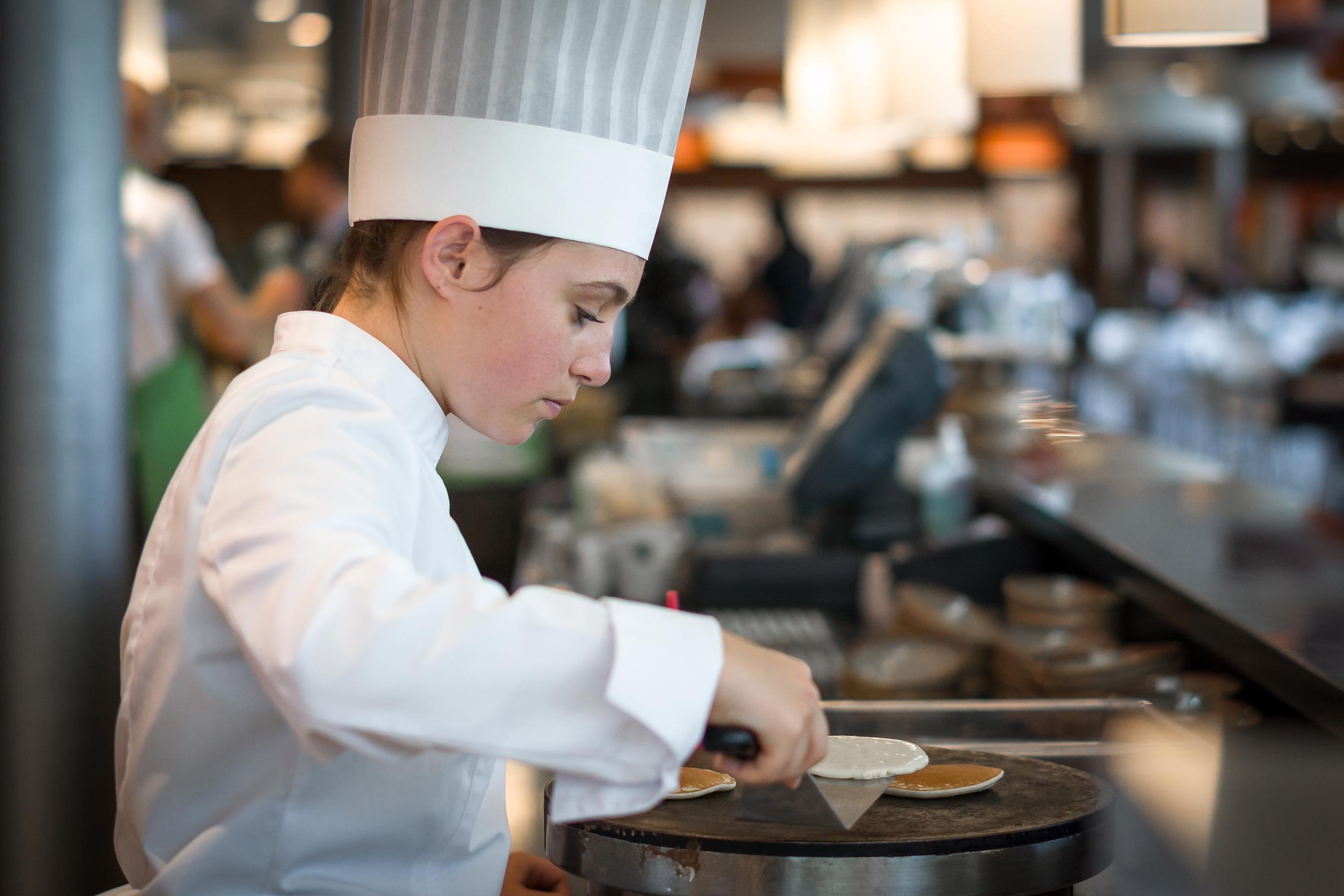
The backbone of any successful restaurant is a strong, well-trained, and motivated kitchen crew. A high-performing team ensures efficiency, consistency, and top-tier food quality, leading to happier customers and a smoother-running operation. But what does it take to build and maintain a kitchen team that thrives under pressure? Here are the key secrets to assembling and managing a high-performing kitchen crew.
Hire the Right People from the Start
Building a great kitchen crew starts with hiring the right talent. Beyond technical skills, look for candidates who demonstrate teamwork, adaptability, and a strong work ethic.
Key Qualities to Look for in Kitchen Staff:
- Ability to work well under pressure.
- Strong communication and listening skills.
- Attention to detail and consistency.
- A willingness to learn and take feedback.
- Positive attitude and team-oriented mindset.
Conduct working interviews to assess how candidates perform in a real kitchen setting. The right team members will not only have the skills but also the right attitude to contribute to a high-energy, productive environment.
Prioritize Comprehensive Training
Even the most talented chefs need structured training to integrate into your restaurant’s workflow. A well-trained kitchen crew is more efficient, makes fewer mistakes, and ensures consistency across every dish.
Essential Training Areas:
- Proper cooking techniques and plating standards.
- Food safety and sanitation protocols.
- Kitchen workflow and station organization.
- Time management and ticket prioritization.
Consider implementing a mentorship program where experienced team members help train new hires. This fosters camaraderie while ensuring that all staff members uphold the same high standards.
Foster a Culture of Teamwork
Great kitchen crews function as a unit. Encouraging teamwork and clear communication can significantly improve efficiency and morale.
Ways to Build a Strong Team Environment:
- Hold regular pre-shift meetings to discuss menu changes, specials, and expectations.
- Encourage open communication between kitchen and front-of-house staff to prevent misunderstandings.
- Promote a “we all win together” mentality—no one should feel like they’re working alone.
When your crew feels supported and valued, they’ll be more invested in the restaurant’s success.
Optimize Kitchen Workflow
A disorganized kitchen leads to delays, frustration, and inconsistent food quality. A well-structured workflow keeps the line moving efficiently, even during peak hours.
Strategies for a More Efficient Kitchen:
- Clearly define roles and responsibilities for each station.
- Implement the “mise en place” system—having everything prepped and in place before service starts.
- Arrange workstations to minimize unnecessary movement and congestion.
- Use kitchen display systems (KDS) or ticketing systems to track and prioritize orders effectively.
When your kitchen crew knows exactly what’s expected and how the workflow operates, they can execute service with speed and precision.
Keep Morale High with Motivation & Recognition
Restaurant kitchens are high-pressure environments, and burnout is common. Keeping morale high ensures that your crew stays engaged and motivated.
Ways to Boost Kitchen Morale:
- Recognize and reward hard work—whether it’s a simple “thank you,” a shift meal upgrade, or a staff appreciation night.
- Encourage career growth by offering promotions or skill-building opportunities.
- Foster a supportive culture where constructive feedback is balanced with praise.
- Ensure work-life balance by properly scheduling shifts to prevent excessive burnout.
Happy, motivated employees are more likely to stay with your restaurant long-term, reducing turnover and strengthening your team.
Promote Strong Leadership in the Kitchen
Every high-performing kitchen needs strong leadership. Your head chef or kitchen manager sets the tone for the entire team, influencing productivity, morale, and overall efficiency.
Key Leadership Traits in a Kitchen:
- Leading by example—showing professionalism, discipline, and respect.
- Providing clear, direct communication with all team members.
- Offering mentorship and guidance rather than just giving orders.
- Remaining calm under pressure and helping the team navigate busy shifts.
Great leadership fosters a strong, cohesive kitchen team that functions efficiently and harmoniously.
Handle Conflict & Stress Proactively
Kitchens are fast-paced, high-stress environments, which can lead to occasional conflicts. Addressing issues before they escalate is essential for maintaining a positive work atmosphere.
How to Manage Kitchen Tensions:
- Encourage open communication—allow team members to voice concerns.
- Resolve conflicts immediately rather than letting resentment build.
- Promote professionalism—remind staff that respect is key, even in high-stress moments.
- Offer de-escalation training for chefs and managers.
A kitchen that operates with respect and professionalism will naturally perform better as a team.
Encourage Continuous Improvement
The best kitchen crews never stop learning. Encouraging continuous improvement keeps your team engaged and ensures your restaurant stays competitive.
Ways to Encourage Growth:
- Provide training workshops and skill-building sessions.
- Encourage chefs to experiment with new techniques and ingredients.
- Host tastings and feedback sessions to refine dishes.
- Support certifications in food safety, culinary skills, and management training.
Investing in your team’s growth benefits both the individual employees and the restaurant as a whole.
Wrapping Things Up
Building a high-performing kitchen crew takes time, effort, and a commitment to excellence. By hiring the right people, prioritizing training, fostering teamwork, optimizing workflow, and keeping morale high, you can create a kitchen that runs efficiently and produces top-quality food—shift after shift.
With strong leadership and a culture of continuous improvement, your kitchen team will not only meet expectations but exceed them, ensuring your restaurant’s success for years to come.