
Training Your Team for Efficiency: How to Reduce Downtime in the Kitchen
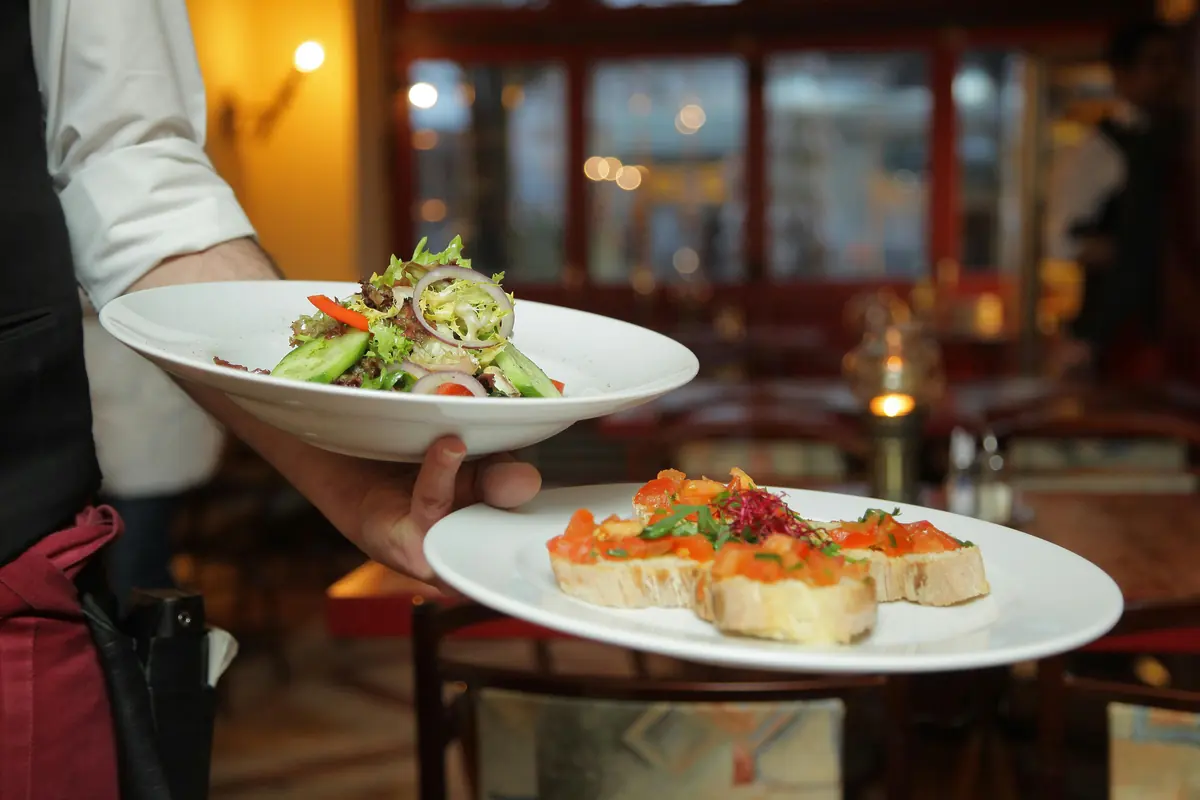
In a fast-paced kitchen environment, every second counts. Downtime—whether it's waiting for ingredients, delays in prep, or a lack of coordination—can lead to wasted time and resources. When kitchen downtime is minimized, the team operates more efficiently, orders are prepared faster, and customers are happier. The key to reducing downtime in your kitchen is effective team training. Here’s how to train your kitchen staff for maximum efficiency and minimize unnecessary delays.
Standardize Procedures for Consistency
One of the main causes of downtime in the kitchen is a lack of consistency in how tasks are completed. When different team members perform the same task in different ways, it leads to confusion, mistakes, and wasted time. Standardizing procedures ensures that every team member knows exactly what to do and how to do it.
Train your kitchen staff to follow set procedures for food prep, cooking, plating, and cleaning. This could mean using a specific knife technique for chopping vegetables, following a step-by-step process for portioning ingredients, or adhering to standardized cooking times for certain dishes. Consistency not only saves time but also ensures a high level of quality and reduces the chances of errors.
Streamline Kitchen Layout for Easy Access
An efficient kitchen layout plays a significant role in reducing downtime. If your team has to constantly run around to find ingredients or tools, it wastes time and increases frustration. Organize your kitchen so that all frequently used items are easily accessible and strategically placed.
Train your staff to keep their workstations organized, with everything they need within arm’s reach. This includes ensuring that knives, cutting boards, ingredients, and cooking utensils are in designated spots for quick access. A clean and organized kitchen allows the team to work faster and more efficiently, cutting down on unnecessary downtime.
Use Mise en Place for Prepping
Mise en place, the French culinary term meaning “everything in its place,” refers to the practice of preparing ingredients and setting them out in an organized manner before cooking begins. Training your team to adopt mise en place ensures that everything is prepped and ready to go before the first order comes in, which reduces last-minute scrambling and downtime during busy shifts.
Teach your staff to prep ingredients, portion out sauces, and set up stations ahead of time. This eliminates the need for staff to rush around looking for ingredients during the rush, cutting down on wait times and improving overall kitchen flow.
Implement Cross-Training to Enhance Flexibility
One of the most effective ways to reduce downtime in the kitchen is to cross-train your staff. When team members can step in to handle multiple roles—whether it's prepping ingredients, cooking, or plating—there’s less downtime during peak hours when certain team members are unavailable or overwhelmed.
Cross-train your kitchen staff to ensure they are comfortable with multiple stations and responsibilities. Not only does this increase efficiency, but it also allows you to adjust to changes in staffing or customer demand more easily, keeping operations smooth even during rush periods.
Improve Communication Between Front and Back of House
One of the leading causes of downtime is poor communication between the front of house (FOH) and back of house (BOH) teams. When servers don’t communicate orders clearly or relay updates on customer preferences, kitchen staff may spend unnecessary time correcting mistakes or re-preparing dishes.
Training your team on effective communication between FOH and BOH is critical to minimizing downtime. Encourage clear, concise, and direct communication—whether it’s using order slips, POS systems, or handheld devices to convey orders quickly. Make sure servers and kitchen staff are regularly updated on order status, allergies, or modifications to ensure smooth coordination.
Set Clear Expectations for Speed and Efficiency
Training should include setting clear expectations for speed and efficiency without compromising quality. Create performance benchmarks for your kitchen staff, such as specific times for completing prep tasks, cooking dishes, and delivering plates to the front. These benchmarks should be realistic and attainable but still push your team to stay efficient and focused.
Track these benchmarks regularly and provide feedback to staff on their performance. Recognize when team members are exceeding expectations, and offer constructive feedback when they fall short. Setting clear expectations creates accountability and ensures that everyone is working toward the same goals.
Implement Technology to Streamline Operations
Modern kitchen technology can significantly reduce downtime. POS (Point of Sale) systems, kitchen display systems (KDS), and inventory management software all help streamline kitchen operations, allowing staff to access orders, monitor stock levels, and track food prep in real time.
Train your staff on how to use these technologies effectively. A KDS, for example, can immediately display new orders to the kitchen, reduce paper waste, and allow chefs to prioritize tasks. This speeds up communication and minimizes delays, ensuring that every dish is prepared on time and to specification.
Wrapping Things Up
Reducing downtime in the kitchen requires a combination of training, organization, communication, and the right technology. By standardizing procedures, optimizing kitchen layout, adopting mise en place, cross-training staff, and improving communication between teams, you can ensure a faster, more efficient kitchen. The result? Faster service, happier customers, and a more profitable restaurant. With a well-trained team working together seamlessly, your kitchen will be able to handle even the busiest shifts without missing a beat.