
Unbeatable Savings: Get the Best Deals from Food Distributors

How can you increase famously thin restaurant margins?
For restaurant owners, finding the best deals from food distributors is crucial for keeping costs low and profits high. This guide will help you navigate the realm of cost-effective solutions and top-notch offers that can elevate your restaurant's bottom line. As the demand for quality products at competitive prices continues to rise, staying ahead of the curve is essential. Whether you run a cozy café or a bustling bistro, unlocking the secrets to unbeatable savings can make all the difference. Join us on a journey to explore the strategies, tips, and insider knowledge that will empower you to secure the best deals in the food industry. Let's spice up your purchasing process and maximize your savings like never before.Maximizing Savings on Restaurant Supplies
Running a restaurant is no piece of cake, especially when it comes to managing expenses. Finding ways to save on supplies can significantly impact your budget and profitability. Here are some juicy tips to help you seriously cut your costs:
Shake Up Your Supplier List
Maximizing savings means shaking up your supplier list. Regularly review and compare prices from different distributors to ensure you're getting the best deals. Establish relationships with multiple suppliers to take advantage of competitive pricing and seasonal offers. By being mindful of your purchasing strategy and making conscious choices, you can cut costs and allocate those savings to other areas of your business.
Seasonal Savings
Buying in-season produce is a recipe for success. Seasonal fruits and vegetables are not only fresher but also more affordable. Additionally, consider purchasing generic or store brands instead of name brands. These products are often of similar quality but come at a lower price, allowing you to stretch your budget further.
Efficient Inventory Management
Effective inventory management is a key ingredient for saving on supplies. Track your inventory closely to avoid overordering and reduce waste. Implementing a first-in, first-out (FIFO) system ensures that older stock is used first, minimizing spoilage and maximizing savings.
Supplier Loyalty Programs
Many suppliers offer loyalty programs with discounts, rebates, and rewards. Enrolling in these programs can lead to additional savings on your purchases. Keep an eye out for special promotions and bulk discounts to stock up on non-perishable items or items with long shelf lives when they are offered at reduced prices.
But don’t let the loyalty program lure you into a trap of gradually increasing pricing!
By being proactive and strategic with your purchasing habits, you can achieve significant savings that will positively impact your overall budget and financial well-being.
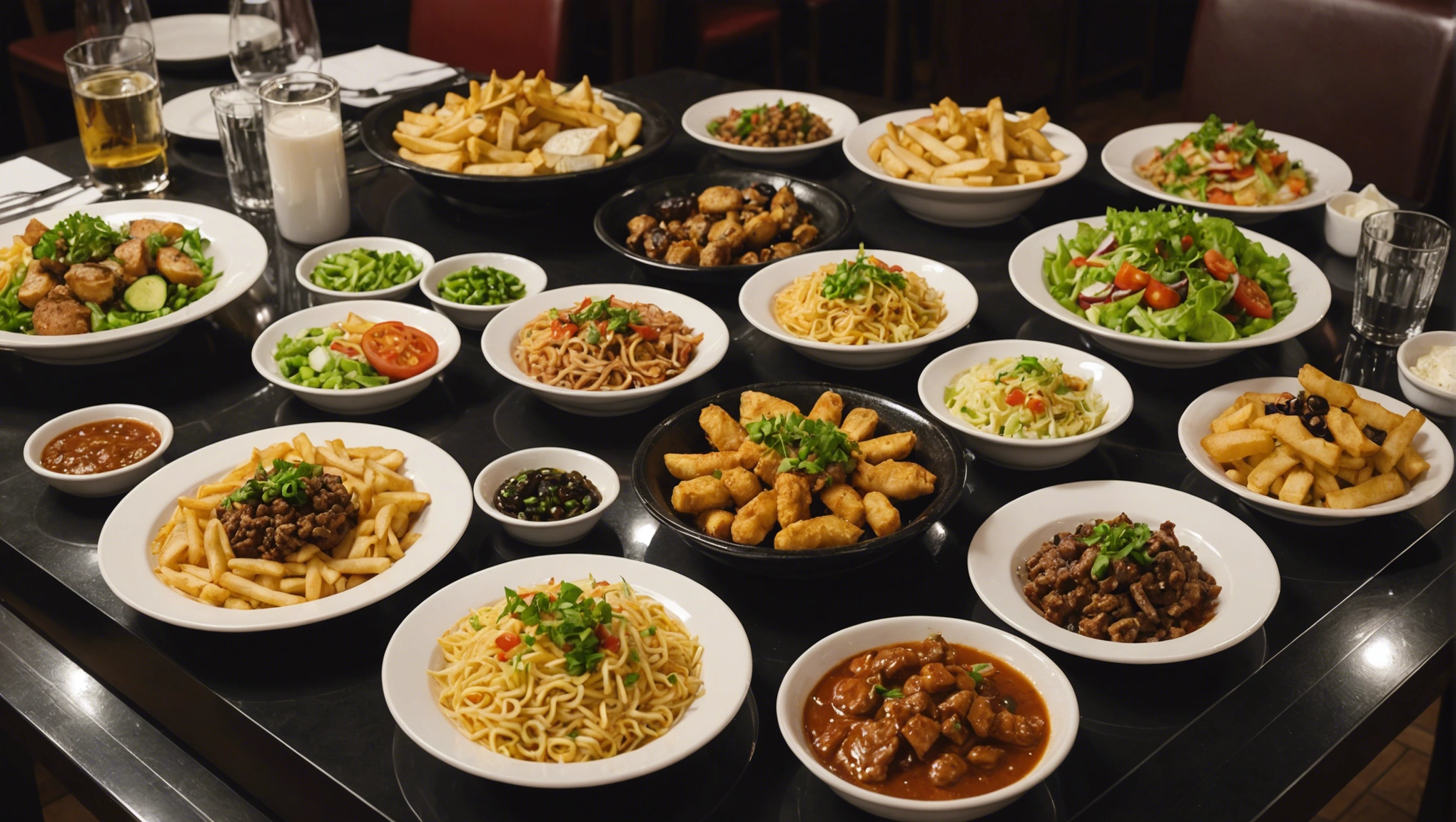
Wholesale Food Distribution for Restaurants
Restaurants are always on the lookout for ways to offer competitive prices to their customers while maintaining healthy profit margins. But how can you make it happen with the rising costs of running a restaurant?
Importance of Low-Priced Food
Low-priced food is a game-changer for restaurants. By purchasing goods in bulk directly from manufacturers or distributors, you can benefit from lower prices per unit. This cost-saving can then be passed on to your customers, making your restaurant more competitive in the market.
Role of Distributors
Distributors are the unsung heroes, connecting manufacturers with restaurants. They streamline the supply chain process and help manufacturers reach a wider market. This not only benefits the manufacturers by increasing their reach but also provides restaurants with a diverse range of products to offer their customers.
Benefits of Purchasing Wholesale Food
Buying in bulk allows you to take advantage of economies of scale, reducing the overall cost of goods. Additionally, it ensures a consistent and reliable supply of products, helping you meet the demands of your customers without facing shortages.
Fostering Relationships
Wholesale food distribution also fosters relationships between restaurants, distributors, and manufacturers. These relationships are built on trust, reliability, and mutual benefit. You can rely on distributors to source high-quality products at competitive prices, while manufacturers can expand their market presence through the distribution network established by these intermediaries.
Technology in Distribution
Technology has revolutionized wholesale food distribution. Online platforms and digital marketplaces connect restaurants directly with distributors and manufacturers, streamlining the ordering process and providing real-time inventory information. This digital transformation has enhanced efficiency and transparency in the supply chain, benefiting all parties involved.
Sustainability Focus
Sustainability is becoming a key focus in wholesale food distribution. Restaurants are increasingly seeking eco-friendly and ethically sourced products to meet consumer demands for environmentally conscious options. Distributors and manufacturers are adapting by offering organic, locally sourced, and sustainable products, catering to the evolving preferences of both restaurants and end consumers.
Wholesale food distribution is not just about transactions; it's about building partnerships, leveraging technology, and embracing sustainability. Restaurants, distributors, and manufacturers form a symbiotic ecosystem where each entity plays a crucial role in delivering quality products to consumers efficiently and responsibly. By understanding the dynamics of wholesale food distribution and adapting to industry trends, you can stay competitive, meet consumer expectations, and contribute to a more sustainable future.

Savings Strategies for Restaurants
Managing a restaurant budget can be challenging. However, with some smart strategies, restaurants can save money on food purchases and make their budget go further. Here are some tips to help you save money:
Plan Menus and Optimize Ingredients
Planning menus ahead of time can help you avoid last-minute, expensive purchases. Additionally, optimizing the use of ingredients across different dishes can stretch your food budget further. Consider implementing food costing and menu engineering on a quarterly basis if you’re not already doing so.
Shop Smart
Look for sales, compare prices, and consider buying generic brands to save money on supplies. Buying in bulk for non-perishable items can also lead to significant savings over time. Another smart shopping tip is to compare prices at different suppliers or consider joining a purchasing group. Or, you know, you could let FareFood to all of the above for you.