
Upcycling in the Kitchen: How to Get Creative with Food Scraps
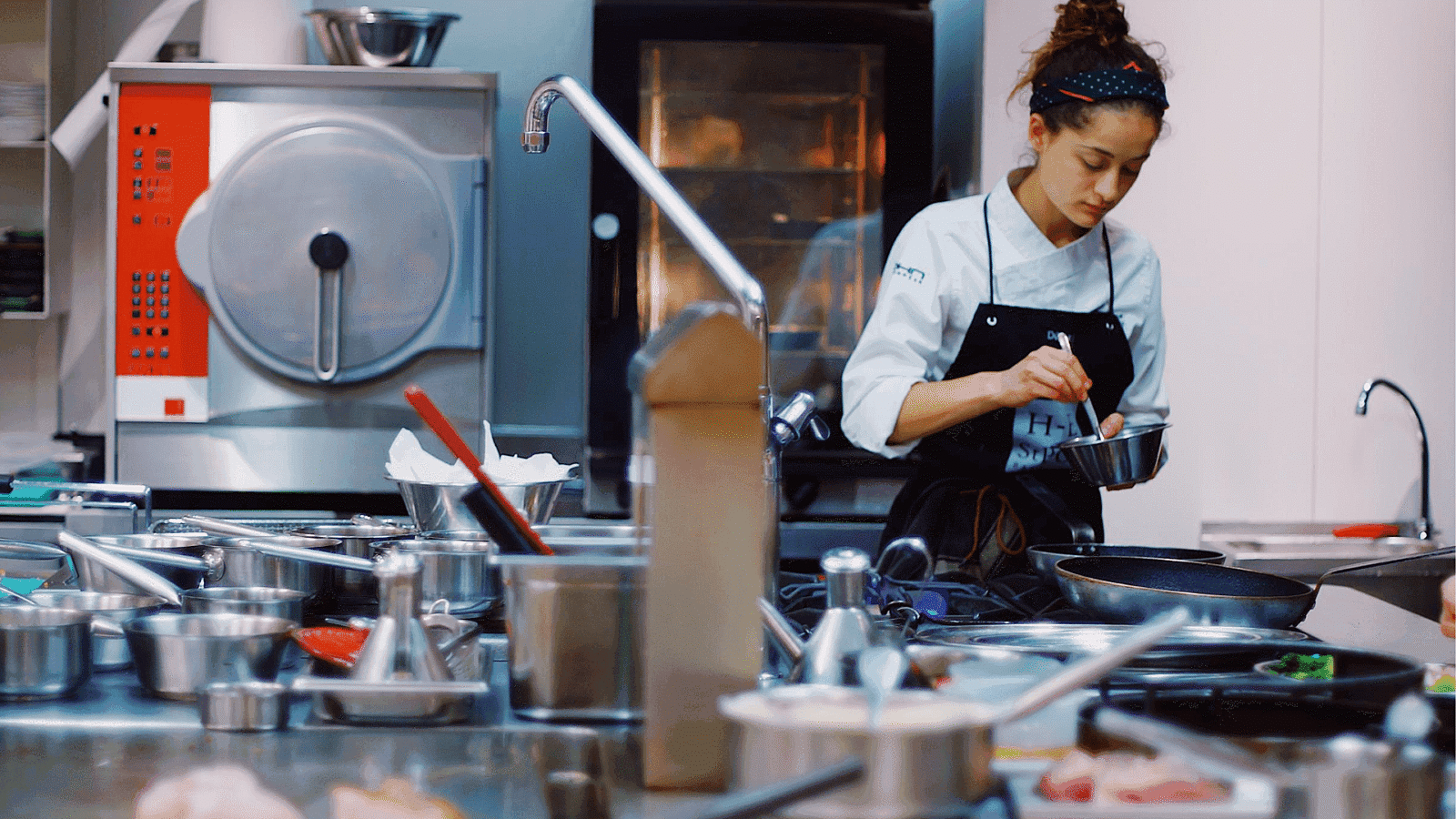
Every restaurant kitchen produces food scraps—vegetable peels, herb stems, meat trimmings, and more. But what if those leftovers weren’t waste at all? Upcycling food scraps is an innovative way to reduce waste, cut costs, and get creative with your menu. With sustainability becoming a top priority for diners and restaurants alike, now is the perfect time to rethink how your kitchen handles food waste. Here’s how to turn scraps into savings and sustainability.
Why Upcycling Food Scraps Matters
Food waste is a growing problem in the restaurant industry. According to the USDA, food waste accounts for 30-40% of the total food supply. Upcycling scraps doesn’t just help the planet—it also makes financial sense. Reducing waste lowers food costs, improves sustainability efforts, and gives your restaurant a unique selling point for eco-conscious diners.
Key Benefits of Upcycling Food Scraps:
- Reduces food waste and environmental impact.
- Maximizes ingredient usage, lowering food costs.
- Encourages creativity and innovation in menu development.
- Appeals to eco-conscious customers who prioritize sustainability.
By incorporating upcycled ingredients into your menu, you can turn kitchen scraps into culinary gold.
Stock & Broths: Extracting Every Bit of Flavor
Vegetable peels, herb stems, and meat bones make excellent bases for house-made stocks and broths. Instead of tossing them, simmer them slowly to extract deep, rich flavors.
Best Scraps for Stocks & Broths:
- Vegetable Scraps: Carrot peels, onion skins, celery ends, mushroom stems.
- Herb Stems: Parsley, cilantro, thyme, rosemary.
- Meat Bones & Trimmings: Chicken carcasses, beef bones, fish heads for seafood stock.
Pro tip: Freeze scraps until you have enough to make a batch, ensuring nothing goes to waste.
Pickling & Fermentation: Giving New Life to Scraps
Pickling and fermenting scraps not only extends their shelf life but also adds depth and complexity to dishes. From pickled vegetable stems to fermented fruit peels, these techniques introduce bold flavors with minimal waste.
What You Can Pickle or Ferment:
- Vegetable Peels & Stems: Asparagus ends, cauliflower stems, watermelon rinds.
- Fruit Scraps: Citrus peels, apple cores (great for vinegar or kombucha).
- Overripe Produce: Perfect for making fermented hot sauces or chutneys.
House-made pickles, vinegars, and fermented sauces can add a unique touch to your menu while reducing waste.
Breadcrumbs & Croutons: Giving Stale Bread a Second Chance
Restaurants often end up with extra bread at the end of the day. Instead of tossing it, turn it into house-made breadcrumbs, croutons, or even bread pudding.
Creative Uses for Leftover Bread:
- Blend dried bread into fine breadcrumbs for coatings or fillers.
- Cut into cubes, season, and toast for crunchy croutons.
- Use in recipes like panzanella salad or French toast.
Not only does this reduce waste, but house-made breadcrumbs and croutons often taste better than store-bought versions.
Turning Fruit & Vegetable Scraps into Syrups & Garnishes
Fruit peels, herb stems, and even coffee grounds can be transformed into flavorful syrups, infusions, and garnishes for cocktails, desserts, and more.
Upcycled Ideas:
- Citrus Peels: Zest for flavoring or candy them for cocktail garnishes.
- Strawberry Tops & Overripe Berries: Cook down into a syrup for drinks or desserts.
- Herb Stems: Infuse in simple syrups for a fresh, aromatic touch.
These creative additions can enhance your bar program and dessert offerings while cutting down on waste.
Repurposing Coffee Grounds & Tea Leaves
Coffee grounds and used tea leaves are often discarded, but they have multiple culinary and non-culinary uses.
Ways to Reuse Coffee Grounds:
- Mix into rubs for meats, adding deep, smoky flavors.
- Use as a base for house-made coffee ice cream or tiramisu.
- Offer to customers for composting or as a natural exfoliant.
Ways to Reuse Tea Leaves:
- Infuse broths or sauces with a subtle tea flavor.
- Use in marinades for meats or vegetables.
- Dry and blend into spice mixes for unique seasoning.
Simple, sustainable solutions like these can help make the most of every ingredient in your kitchen.
Educating Staff & Customers on Upcycling
Upcycling works best when your team is on board. Train your kitchen staff on best practices for saving and repurposing food scraps. Additionally, share your sustainability efforts with customers—it’s a great way to build loyalty and attract eco-conscious diners.
Ways to Engage Customers:
- Highlight upcycled ingredients on your menu.
- Share behind-the-scenes sustainability efforts on social media.
- Host workshops or events showcasing upcycling techniques.
Transparency about your restaurant’s sustainability practices can strengthen your brand and attract diners who appreciate eco-friendly efforts.
Wrapping Things Up
Upcycling food scraps isn’t just about reducing waste—it’s about maximizing creativity, cutting costs, and making a positive impact on the environment. By repurposing common kitchen scraps into broths, pickles, syrups, and more, your restaurant can minimize waste while adding depth and uniqueness to your menu.
Small changes in how you handle food waste can lead to significant savings and a more sustainable business. So, what scraps in your kitchen can you turn into something delicious today?